
Understanding Curved Magnum Needle Configuration
Curved magnum needles represent a revolutionary advancement in tattooing technology, offering artists unprecedented control over pigment saturation and gradient transitions. Unlike their flat counterparts, curved magnums feature a distinctive arc configuration that mimics the natural contours of human anatomy. This curvature facilitates superior ink distribution while minimizing trauma to the dermal layers.
The anatomical design of curved magnum needles creates an optimal contact angle between the needle grouping and skin surface. Professional tattoo artists leverage this configuration to achieve seamless color blending and sophisticated tonal variations. The curved arrangement allows for consistent pressure distribution across the needle grouping, preventing the harsh lines often associated with traditional flat magnum configurations.
Modern curved magnum needles typically range from 5 to 49 needle configurations, with each grouping serving specific artistic applications. The spacing between individual needles—known as the needle pitch—directly influences pigment density and saturation levels. Tighter configurations excel in producing solid color fills, while wider arrangements facilitate subtle gradient work and atmospheric effects.
Needle Geometry and Pigment Flow Dynamics
The geometric principles underlying curved magnum design optimize capillary action and pigment retention. The arc configuration creates multiple contact points that enhance ink flow consistency while reducing the likelihood of patchy saturation. This improved fluid dynamics translates to more predictable color outcomes and reduced touch-up requirements.
Needle taper specifications significantly impact performance characteristics. Standard taper configurations provide versatility across diverse shading applications, while long tapers offer enhanced precision for detail work. The interplay between taper length and curvature radius determines the needle's penetration characteristics and pigment deposition patterns.
Advanced Shading Methodologies with Curved Magnums
Mastering curved magnum needle shading techniques requires understanding the relationship between machine voltage, needle depth, and hand movement patterns. Professional artists develop muscle memory through deliberate practice, focusing on consistent pressure application and rhythmic needle cycling. The curved configuration demands adjusted hand positioning compared to traditional flat needles.
Whip shading represents one of the most effective techniques for curved magnum applications. This method involves rapid, controlled movements that allow the curved needle grouping to follow natural skin contours. The technique produces smooth gradients while minimizing skin disturbance and reducing healing complications. Artists typically employ lower voltages during whip shading to maintain optimal control over pigment saturation levels.
"The curved magnum's ability to conform to anatomical contours makes it indispensable for creating realistic skin tones and natural shadow effects that traditional needles simply cannot achieve." - Master Tattoo Artist Perspective
EMALLA Eliot Curved Magnum Innovation
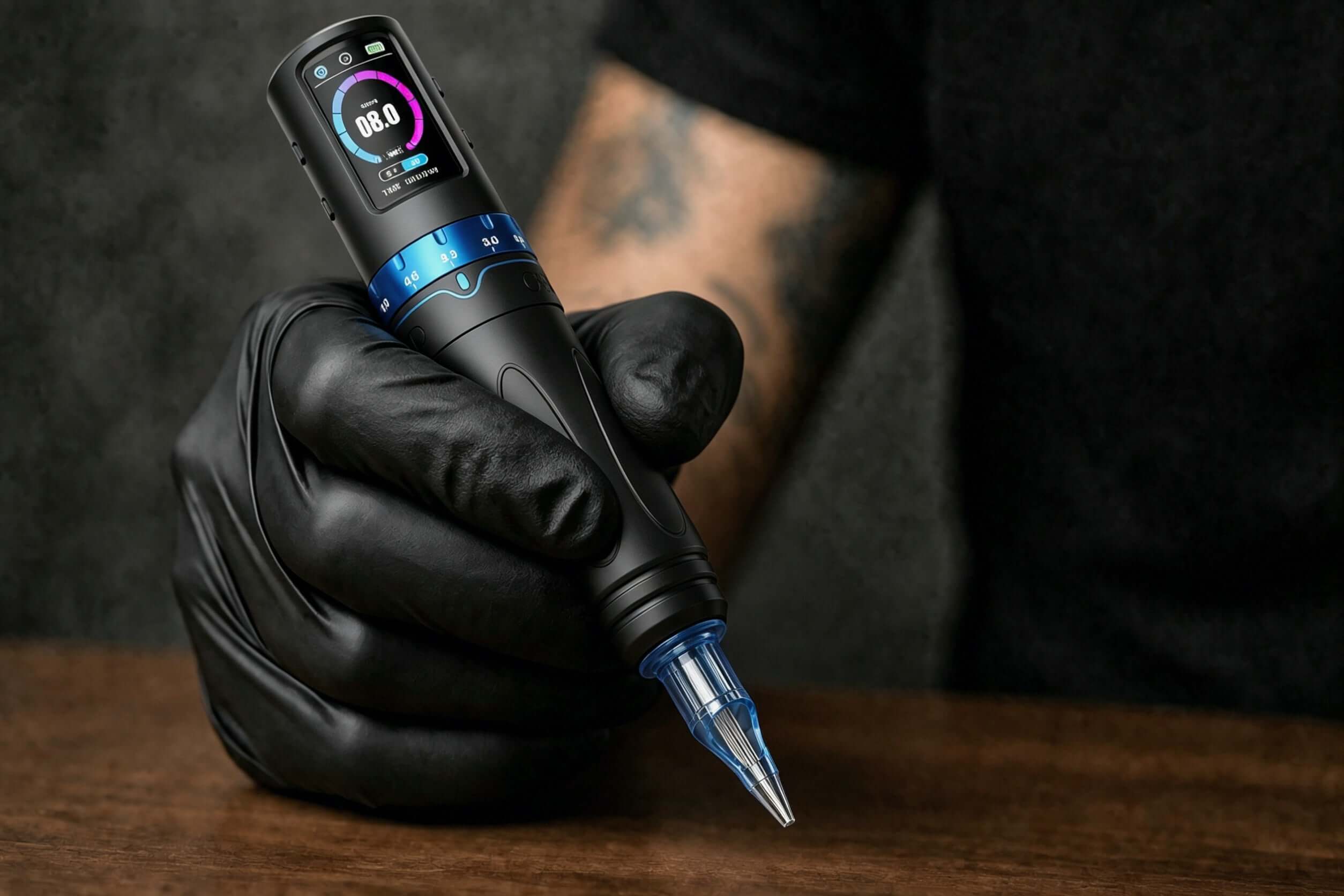
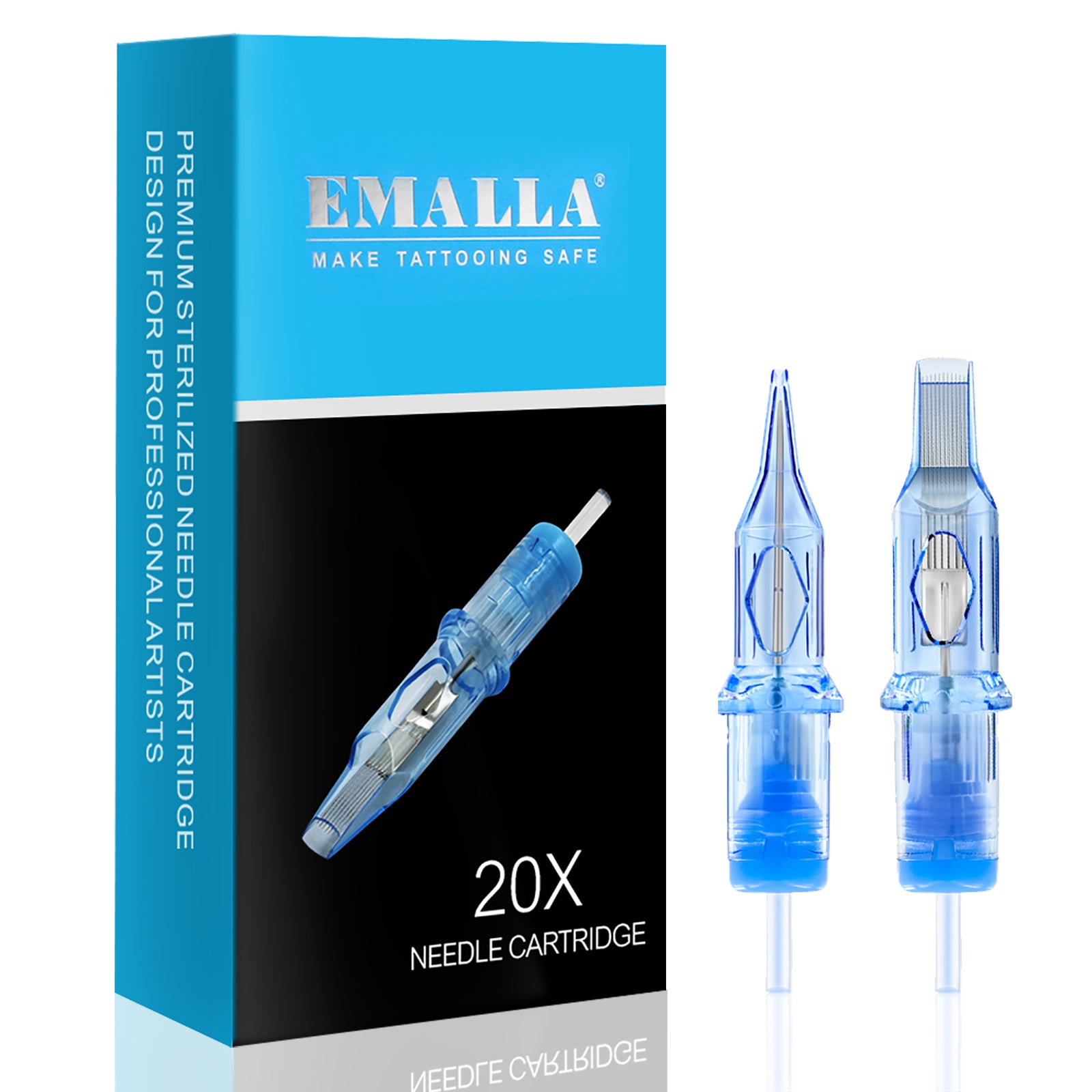
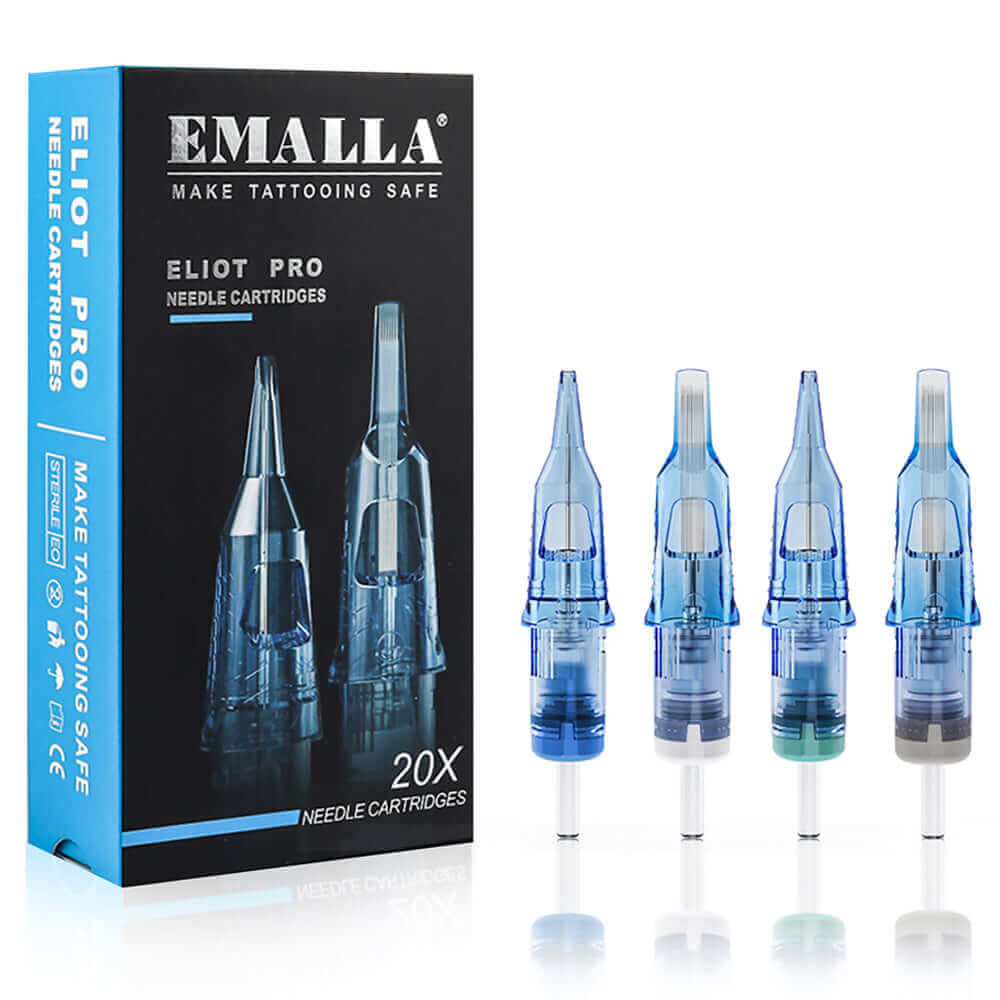
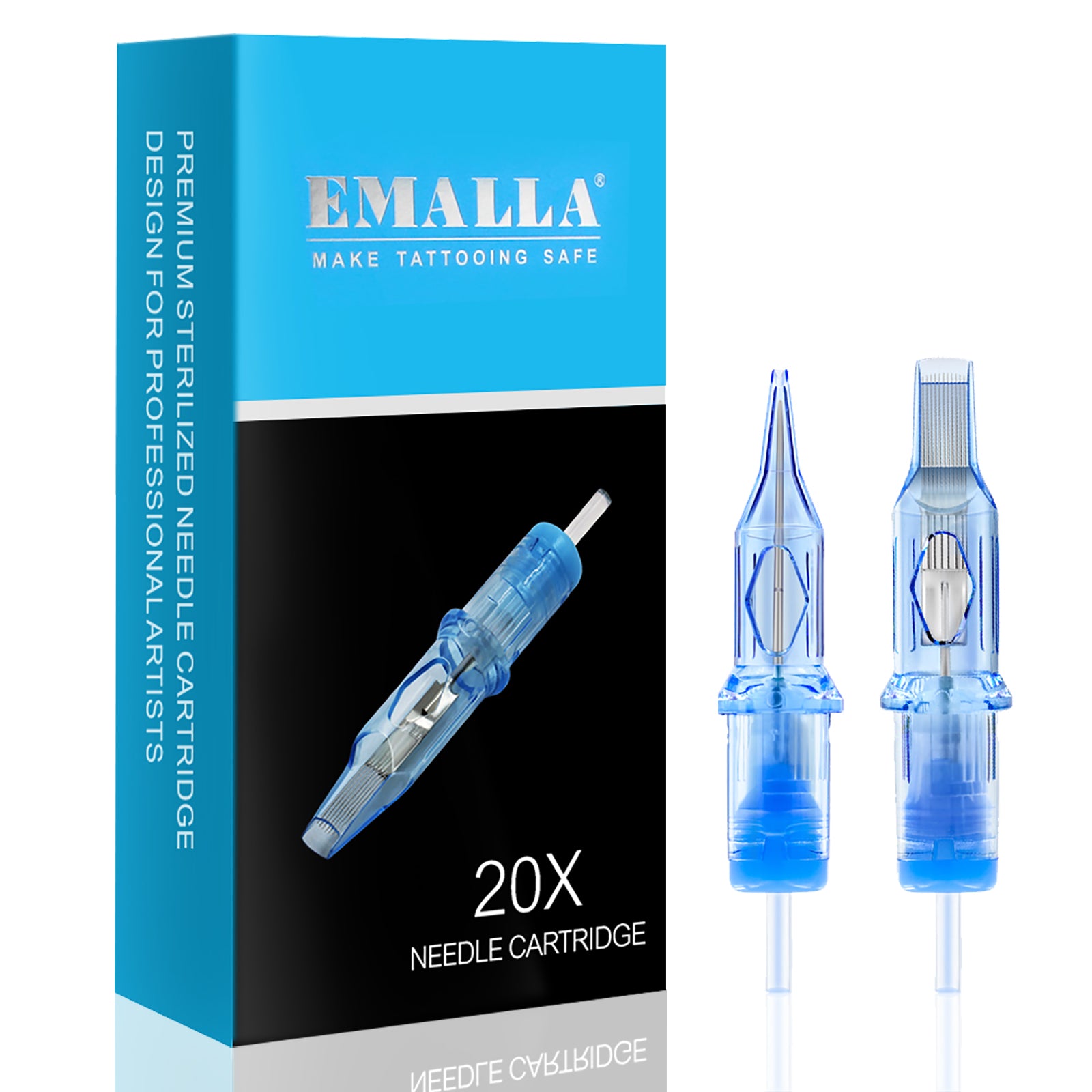
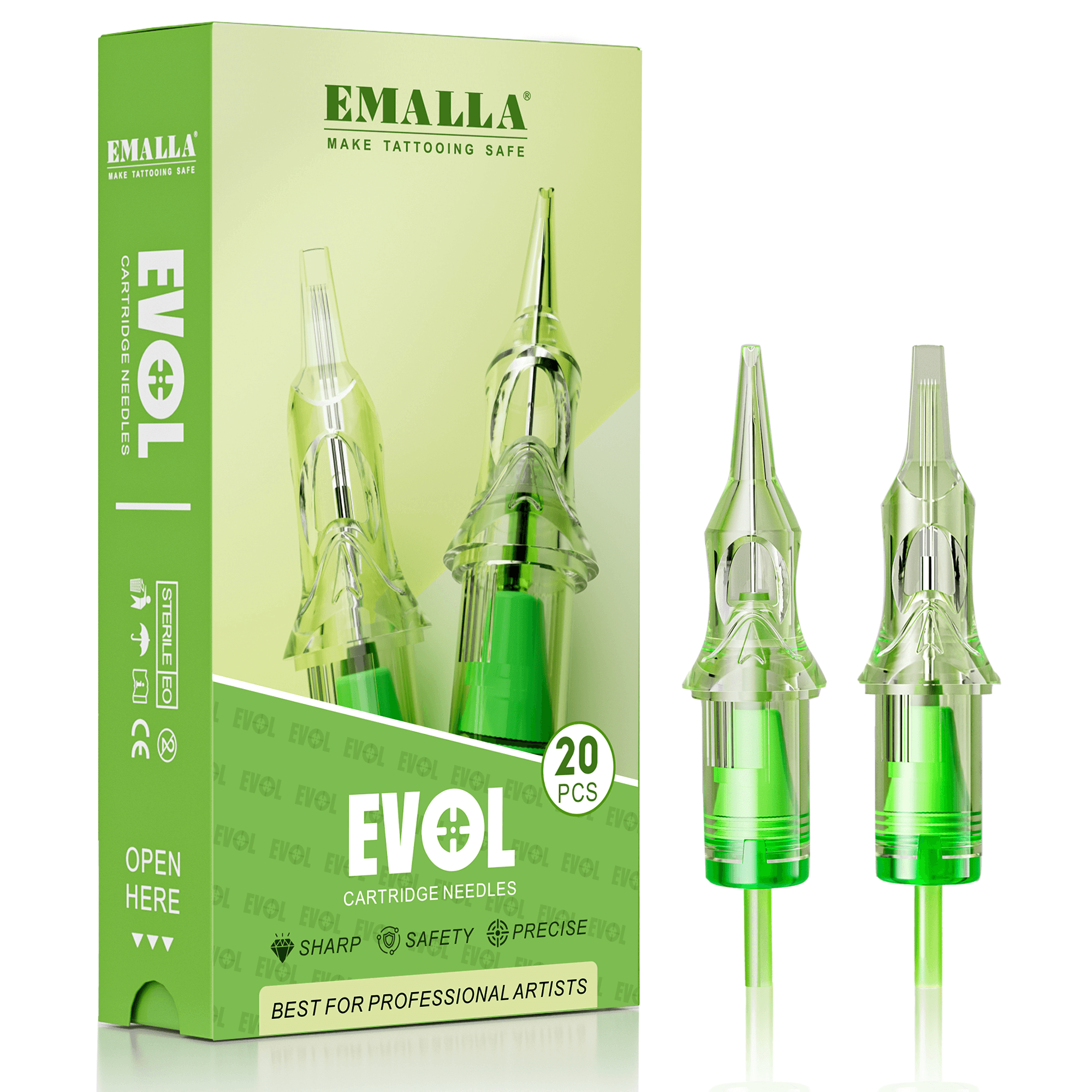
Professional artists seeking reliable curved magnum performance often turn to specialized equipment designed for precision applications. The EMALLA Eliot Tattoo Cartridge Needles feature advanced curved magnum configurations engineered for consistent performance and enhanced safety protocols. These cartridges incorporate precision-manufactured needle groupings that maintain optimal spacing throughout extended tattooing sessions.
The Eliot series addresses common challenges associated with curved magnum shading, including needle deflection and inconsistent pigment flow. Each cartridge undergoes rigorous quality control testing to ensure uniform performance characteristics. The design features enhanced safety membranes and sterile packaging that meets international health standards for professional tattooing applications.
Pressure Modulation Techniques
Effective curved magnum shading relies heavily on pressure modulation throughout the tattooing process. Artists must develop sensitivity to skin feedback while maintaining consistent needle depth penetration. Excessive pressure can cause unnecessary trauma and pigment migration, while insufficient pressure results in patchy color distribution and poor saturation.
The optimal pressure range varies depending on anatomical location and individual skin characteristics. Areas with thicker dermal layers require adjusted pressure applications compared to sensitive regions. Professional artists often employ progressive pressure techniques, beginning with lighter applications and gradually increasing intensity as the skin acclimates to the tattooing process.
Machine Configuration and Voltage Optimization
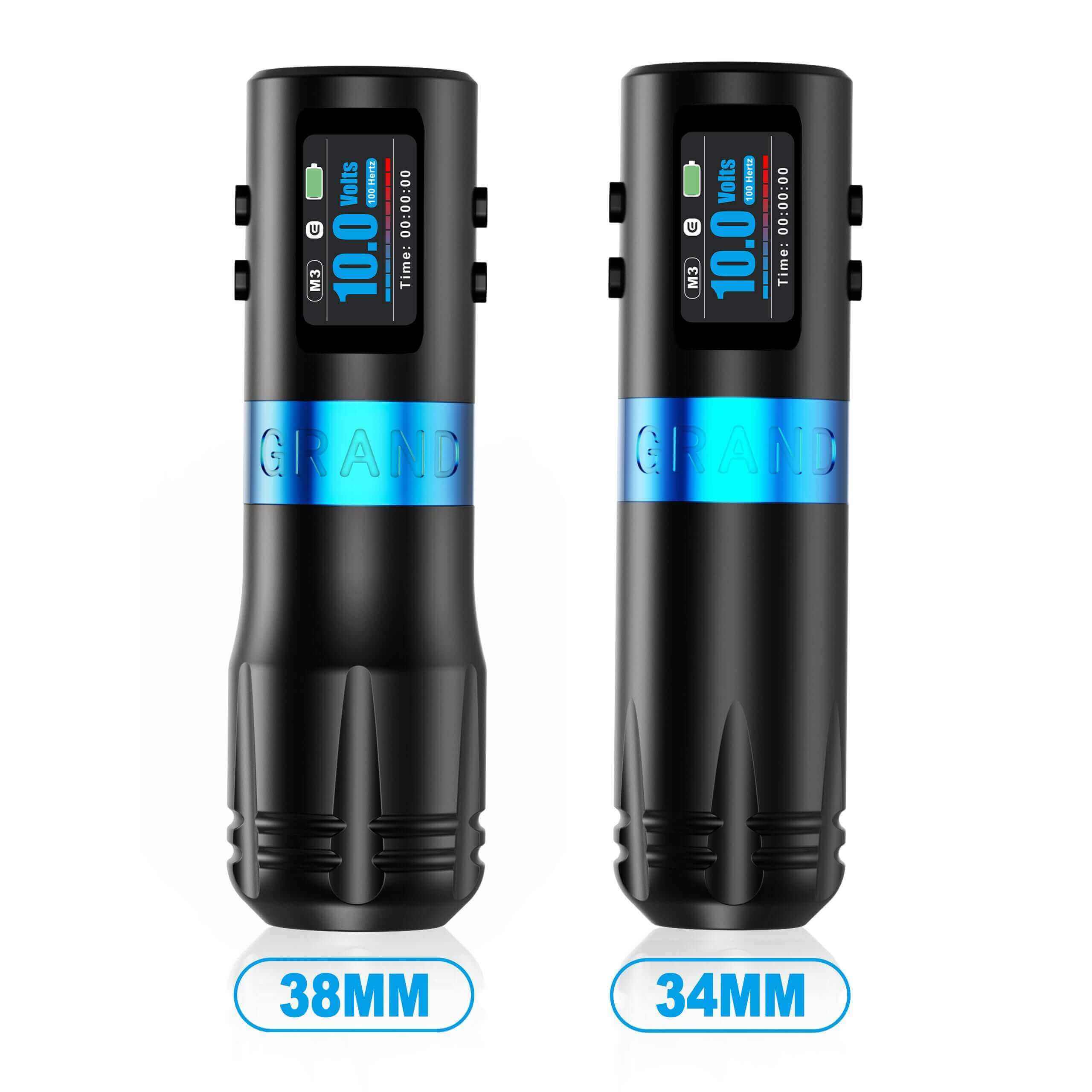
Curved magnum needles perform optimally within specific voltage parameters that differ from traditional needle configurations. Most professional artists operate between 6-10 volts when using curved magnums for shading applications. Lower voltages provide enhanced control for detailed gradient work, while higher settings facilitate rapid coverage of larger areas.
Machine cycling speed directly impacts the effectiveness of curved magnum shading techniques. Slower cycling speeds allow for better pigment saturation and reduce the likelihood of overworking the skin. Modern rotary machines offer superior consistency compared to coil machines when working with curved magnum configurations, providing smoother needle movement and reduced vibration transfer.
Give and Stroke Length Adjustments
The mechanical relationship between needle protrusion and machine stroke length requires careful calibration for optimal curved magnum performance. Standard needle protrusion ranges from 1-3 millimeters, with longer extensions suited for bold shading work and shorter configurations ideal for subtle gradient applications.
Stroke length adjustments influence the needle's penetration dynamics and pigment deposition patterns. Shorter strokes provide enhanced control for detailed work, while longer strokes facilitate rapid coverage of larger areas. Professional artists often adjust these parameters throughout a single session to accommodate varying shading requirements.
Color Theory and Pigment Selection
Curved magnum needle shading techniques demand comprehensive understanding of color theory and pigment behavior within dermal tissues. Different pigment formulations exhibit varying flow characteristics and saturation properties when applied through curved needle configurations. Professional artists must consider these factors when selecting appropriate color palettes for specific projects.
Pigment viscosity significantly impacts curved magnum performance. Thinner formulations flow more readily through the curved needle grouping but may require multiple passes to achieve desired saturation levels. Thicker pigments provide enhanced coverage but can impede optimal needle function if not properly diluted.
Pigment Type Optimal Dilution Ratio Recommended Voltage Range Application Technique
Carbon Black 1:1 7-9V Whip Shading
Gray Wash 2:1 6-8V Circular Motion
Color Saturation 1:2 8-10V Progressive Layering
Gradient Development Strategies
Creating seamless gradients with curved magnum needles requires systematic layering techniques and strategic pigment dilution. Artists typically begin with the darkest values and progressively work toward lighter tones through controlled dilution ratios. This approach prevents muddy color transitions and maintains clarity throughout the gradient spectrum.
Feathering techniques enhance gradient smoothness by creating subtle transition zones between distinct tonal values. The curved needle configuration naturally facilitates feathering applications through its conforming contact pattern. Artists employ varying hand speeds and pressure applications to achieve desired feathering effects.
Anatomical Considerations and Skin Response
Different anatomical regions respond uniquely to curved magnum needle applications, requiring adjusted techniques and parameters. Areas with pronounced musculature, such as shoulders and calves, benefit from the curved needle's conforming characteristics. Conversely, bony regions with minimal tissue padding demand lighter pressure applications and reduced needle protrusion.
Skin elasticity varies significantly across anatomical locations and individual clients. Younger skin typically exhibits greater elasticity and faster healing responses, while mature skin requires gentler applications and extended healing considerations. Professional artists assess these factors before beginning curved magnum shading procedures.
Healing Optimization Protocols
Curved magnum needle techniques generally produce less skin trauma compared to traditional needle configurations, resulting in improved healing outcomes. The distributed pressure application reduces tissue disruption while maintaining effective pigment deposition. This advantage translates to shorter healing periods and reduced risk of complications.
Post-procedural care remains critical for optimal results regardless of needle configuration. Artists should provide comprehensive aftercare instructions that address the specific characteristics of curved magnum applications. Proper moisture management and protection protocols ensure optimal pigment retention and minimize healing complications.
Common Challenges and Troubleshooting
Even experienced artists encounter challenges when transitioning to curved magnum needle shading techniques. Inconsistent saturation often results from improper pressure application or inadequate pigment flow. Artists should practice pressure modulation techniques on synthetic skin before attempting complex shading projects on clients.
Needle clogging represents another common issue, particularly when working with thick pigments or inadequate machine maintenance. Regular cleaning protocols and appropriate pigment dilution ratios prevent most clogging incidents. Artists should maintain backup needle configurations to ensure uninterrupted workflow during extended sessions.
Quality Control Measures
Professional standards demand consistent quality across all tattooing applications. Artists should establish systematic quality control protocols that address needle selection, machine calibration, and pigment preparation. Regular equipment maintenance schedules prevent performance degradation and ensure optimal results.
Inspect needle configurations before each session
Calibrate machine voltage settings for specific applications
Test pigment flow characteristics on practice surfaces
Monitor skin response throughout the tattooing process
Document successful parameter combinations for future reference
Professional Development and Skill Enhancement
Mastering curved magnum needle shading techniques requires dedicated practice and continuous learning. Professional artists should invest time in structured practice sessions that focus on specific skill development areas. Progressive complexity training helps build confidence while developing muscle memory for consistent applications.
Advanced workshops and educational resources provide valuable insights into emerging techniques and industry best practices. Networking with experienced artists offers practical knowledge that complements formal training programs. The tattooing community benefits from shared knowledge and collaborative skill development initiatives.
What specific challenges do artists face when transitioning from flat to curved magnum needles? The primary adjustment involves recalibrating pressure sensitivity and hand positioning to accommodate the needle's curved profile. Many artists initially apply excessive pressure, attempting to compensate for the unfamiliar configuration. This common mistake can result in unnecessary skin trauma and inconsistent pigment distribution.
How do environmental factors affect curved magnum needle performance? Temperature and humidity variations can influence pigment viscosity and skin elasticity, requiring real-time adjustments to technique parameters. Professional studios maintain controlled environmental conditions to ensure consistent performance across diverse weather conditions and seasonal variations.
The journey toward curved magnum needle mastery demands patience, practice, and persistent attention to technical detail. Artists who invest in proper training and quality equipment position themselves for enhanced artistic capabilities and improved client satisfaction. The curved magnum's unique advantages justify the learning investment through superior shading results and reduced procedural complications.